
Adventure
Kanyakumari Tourist Places
Kanyakumari isn’t just the tip of India—it’s where history, faith, and wild beauty all come together. Some days, you’ll find peace just sitting by the ocean, watching waves crash against the shore. Other times, the old temples pull you in with their stories and rituals. If you’re up for it, there are forests to wander through and waterfalls tucked away in the hills. Wildlife, too—sometimes right where you least expect it.
With its rich history, spiritual significance, and natural beauty, Kanyakumari tourist places offer an unforgettable travel experience.



GO!
Amazing Tours And Fun
Adventures Waiting For You
Top Tourist Places in Kanyakumari
There’s no shortage of places to explore. You can lose yourself on quiet beaches, stand in awe at ancient spiritual sites, or chase the sound of rushing water deep into the landscape. Kanyakumari feels like a crossroads, a spot where you can dive into India’s past or just soak up the sun at the very end of the land. Seriously, if you’re looking for something different, this place has it. Just pack your bags and see for yourself.
Kanyakumari Tourist Places
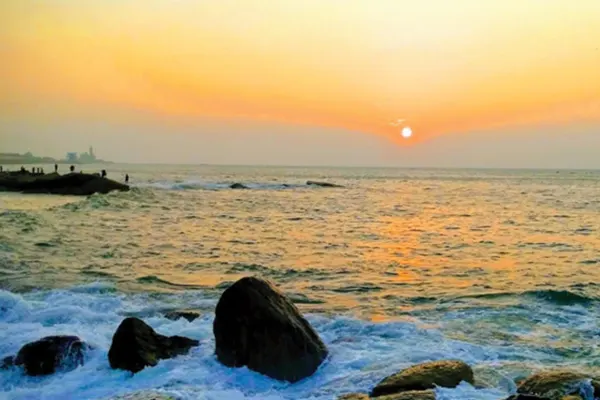
There’s something pretty magical about Kanyakumari. You get these jaw-dropping sunrises and sunsets—seriously, they’re worth waking up early for. It’s where three seas meet, so the views are wild. You’ll find a mix of beaches, old forts, temples, waterfalls, and all sorts of spots packed with history and natural charm. No wonder people keep coming back.
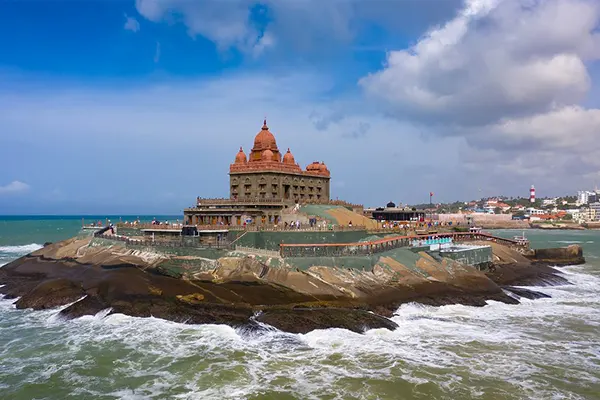
- Vivekananda Rock Memorial, Kanyakumari
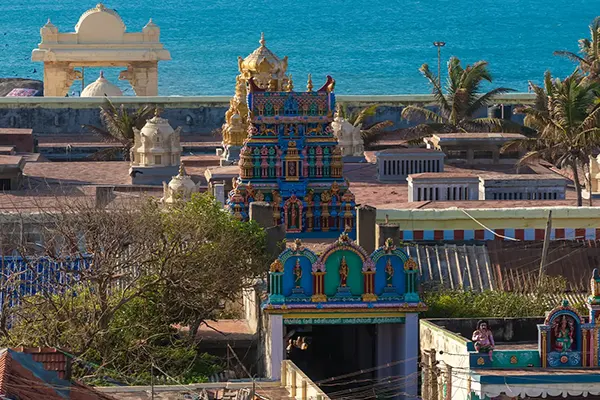
- Bagavathi Amman Temple/ Devi Kanyakumari
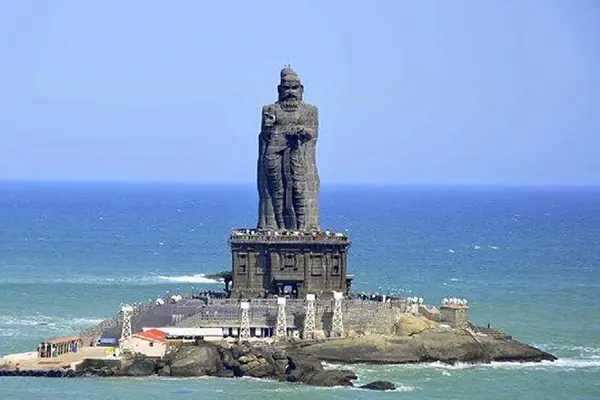
- Thiruvalluvar Statue, Kanyakumari
- Mahatma Gandhi Memorial
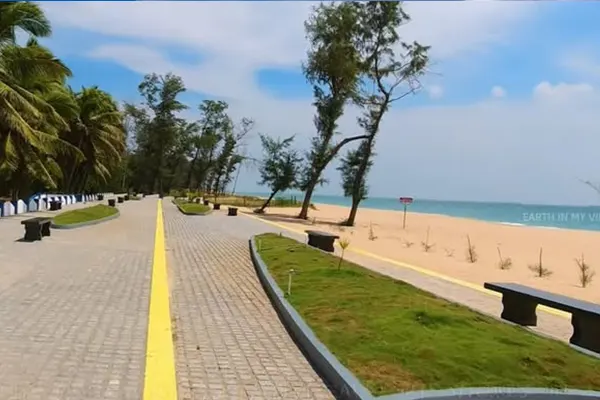
- Kanyakumari Beach
- Sunset Point Kanyakumari
- Bharat Mata Temple Kanyakumari
- View Tower Kanyakumari
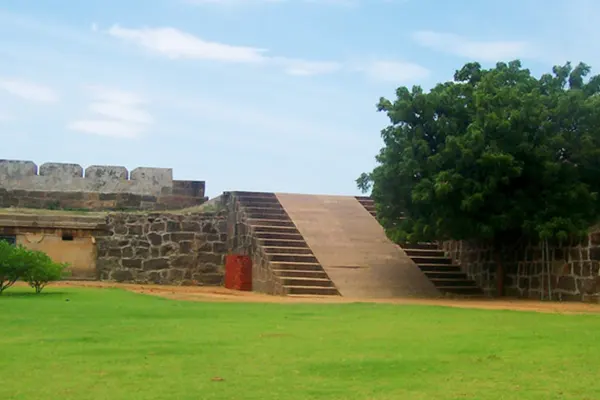
- Vattakottai Fort, Kanyakumari
- Tsunami Memorial Park Kanyakumari
- Baywatch Park Kanyakumari
- Ayyan Thiruvalluvar Park
- Wax Museum Kanyakumari
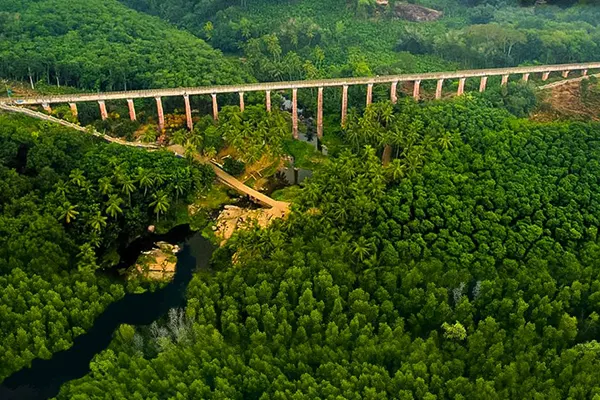
- Maruthuvamazhai
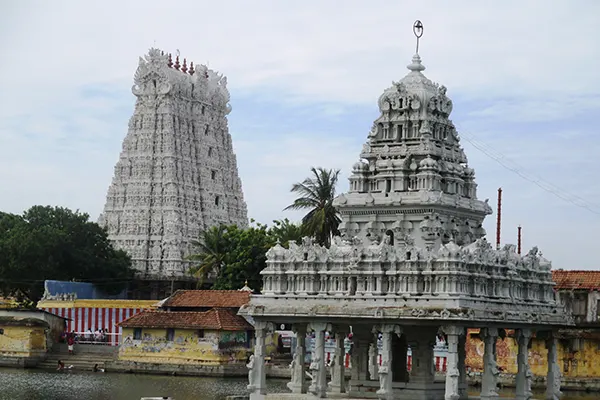
- Suchindram Sthanumalayan Temple
- Nagaraja Temple Kanyakumari
- St Xavier Church, Nagercoil
- Udayagiri Fort Kanyakumari
- Boathouse, Manakudi
- Kalikesam Waterfalls
- Sanguthurai Beach
- Chotavillai Beach Kanyakumari
- Lemur Beach Ganapathiburam
- Muttom Beach
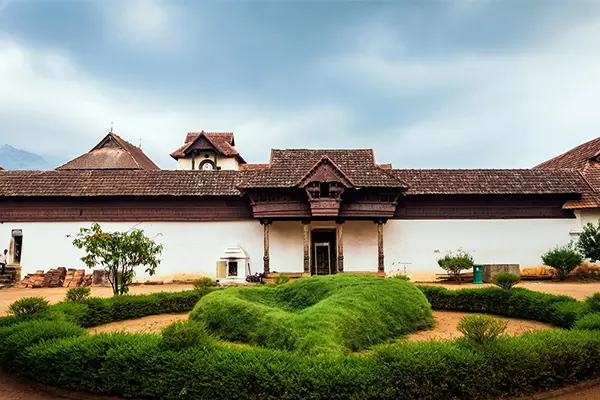
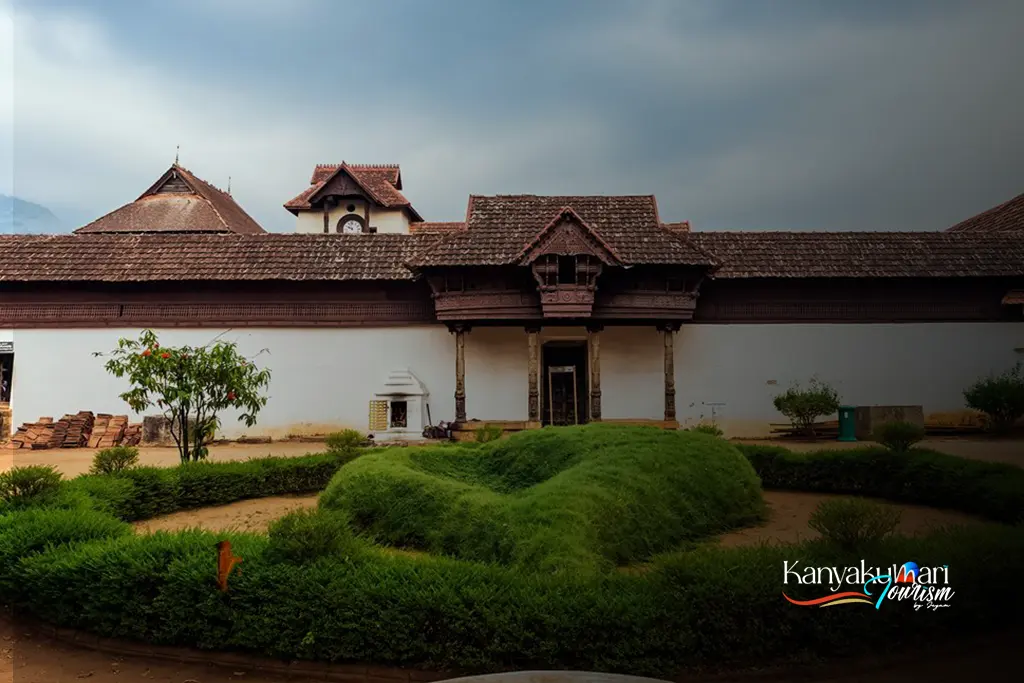
- Padmanabhapuram Palace
- Thengapattinam Beach
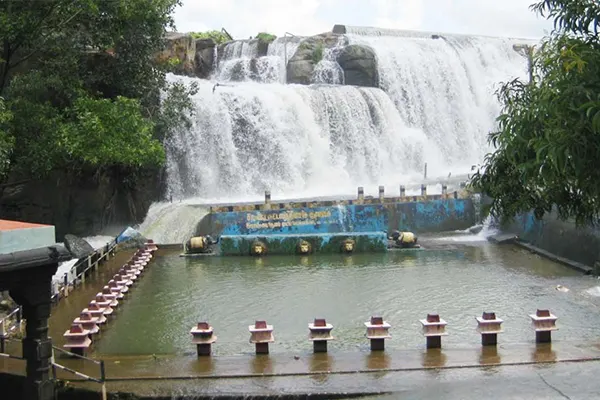
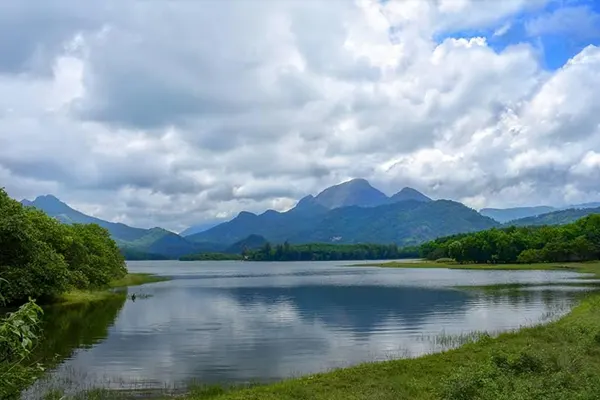
- Pechiparai Dam
- Kanyakumari Wildlife Sanctuary
- Chitharal Jain Monuments
- Our Lady of Ransom Church Kanyakumari
- Shri Sai Baba Temple Potraiyadi
- Peer Mohammed Dargah
- Mukkadal Dam
- Olakaruvi / Ullakaarvi Waterfalls
- Thirunanthikarai Cave Temple
- Thiruparrapu Falls / Tirparappu Water Falls
- Mathoor Adequate
- Keeriparai Reserve Forest
- Mandaicadu Bagavathi Amman Temple
- Colachel Beach
Activity
Kanyakumari Tourist Places – A Guide to the Southernmost Beauty of India
Kanyakumari sits at the very tip of India, where the land just melts into the sea and the sky stretches endlessly overhead. The place is stunning—long stretches of beach, ancient temples, and those views that make you stop and stare for a while. You can sense the history everywhere you go. Some folks come for the old legends, some just want to watch the waves or wander through town, and others are out chasing something a bit more thrilling. Whatever you’re after, Kanyakumari keeps things interesting. There’s always something new to find.

Sunrise
Witness the mesmerizing sunrise where the sun rises over the confluence of three seas and the beauty of Vivekananda Rock and Ayyan Thiruvalluvar
Sight Seeing
Explore beaches, palace, monuments, and scenic viewpoints in this coastal gem.
Water falls
A scenic waterfall & Dam cascading amid lush greenery, perfect for relaxation and photography.
Spritual Places
Visit temples, churches, and Vivekananda Rock for a divine experience.
Happy Clients
Tour
Available Vehicles










Save 20%
On Your First Booking
Get a Quote Now
You might Like
FAQ on Kanyakumari Tourism
Where is Kanyakumari located?
Kanyakumari is the southernmost tip of India, located in the state of Tamil Nadu. It is where the Arabian Sea, the Bay of Bengal, and the Indian Ocean meet.
What makes Kanyakumari a famous tourist destination?
Kanyakumari is famous for its stunning sunrise and sunset views, the confluence of three seas, historical landmarks, spiritual sites, and natural beauty. The tourist places in Kanyakumari include beaches, temples, waterfalls, and forts that make it a must-visit destination.
Which are the top Kanyakumari tourist places?
-
- Vivekananda Rock Memorial – A famous meditation site on an island rock.
- Thiruvalluvar Statue – A 133-feet statue honoring the Tamil poet Thiruvalluvar.
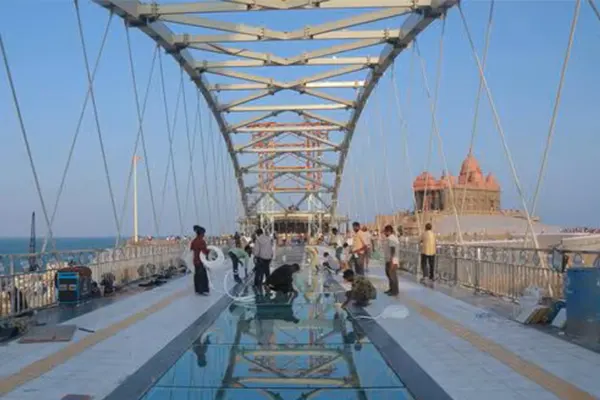
- Glass Bridge – Glass bridge connecting Vivekanda Rock and Thiruvalluvar Statue
- Bhagavathy Amman Temple – A revered temple dedicated to Goddess Kanyakumari.
- Thirparappu Waterfalls – A scenic waterfall perfect for nature lovers.
- Padmanabhapuram Palace – A historical palace showcasing Kerala-style architecture.
- Vattakottai Fort – A seaside fort offering breathtaking views.
- Kanniyakumari Wildlife Sanctuary – A paradise for wildlife enthusiasts.
What is the best time to visit Kanyakumari?
The ideal time to explore Kanyakumari tourist places is between October and March, when the weather is pleasant and suitable for sightseeing.
How can I reach Kanyakumari?
- By Air: The nearest airport is Trivandrum International Airport (95 km away).
- By Train: Kanyakumari has a well-connected railway station with major cities.
- By Road: You can book taxis, buses, or private travels in Kanyakumari from nearby cities.
Where can I see the best sunrise and sunset in Kanyakumari?
- Sunrise: The best view is from Kanyakumari Beach or Vivekananda Rock Memorial.
- Sunset: Visit Sunset Point or Vattakottai Fort for a breathtaking experience.
Are there any religious sites to visit in Kanyakumari?
- Bhagavathy Amman Temple
- Suchindram Thanumalayan Temple
- Nagaraja Temple, Nagercoil
- Mandaikadu Bagavathy Amman Temple
- St. Xavier’s Church
- Vellimalai Kumaraswamy Temple(Kumarakovil)
- Vellimalai Murugan Temple
- Sree Adi Kesava Perumal Temple
- Mupandall Isakiamma Temple
- Thovalai Murugan Temple
What are the best activities to do in Kanyakumari?
- Take a ferry ride to Vivekananda Rock Memorial.
- Explore historical and cultural landmarks.
- Enjoy the beauty of Kanyakumari tourist places like waterfalls and beaches.
- Visit the Kanniyakumari Wildlife Sanctuary for a nature retreat.
- Shop for local handicrafts, seashell souvenirs, and handmade artifacts.
What are the best local foods to try in Kanyakumari?
Kanyakumari offers delicious South Indian cuisine, including:
- Full Veg Meals
- Fresh Nadan Non Veg
- Banana Chips
- Fresh seafood dishes
How many days are enough to explore Kanyakumari?
A 2-day trip is perfect to cover the major tourist places in Kanyakumari and enjoy its scenic and cultural beauty.
Are there travel services available in Kanyakumari?
Yes, many travels in Kanyakumari offer cab services, guided tours, and customized packages for visitors to explore the top attractions conveniently.